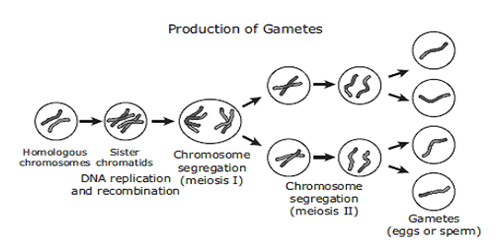
Gametes Vs Somatic Cells. Gametes, on the other hand, are. Somatic cells make up the majority of the body's cells and account for any regular type of cell in the body that does not perform a function in the sexual reproductive cycle. They are diploid, meaning they have a full set of chromosomes, and replicate through mitosis for the body to repair damaged tissue and grow. Somatic cells are basically every cell in the body besides the gametes. Somatic cells consist of diploid (2n) genome while gametes consist of a haploid (n) genome. Asexual reproduction occurs via somatic cells while. Therefore, somatic cells are diploid, containing two homologous chromosome sets but gametes are haploid, containing a single set of chromosomes. Reproduction is one of the main characteristics of a living organism. Reproduction is two modes such as asexual reproduction and sexual reproduction. In humans, these somatic cells contain two full sets of chromosomes (making them diploid cells). Somatic cells are diploid, whereas gametes are haploid cells. Start studying somatic cells vs. Somatic cell have no active role in sexual reproduction, while male and female gametes fuse to form diploid zygote. Somatic cells are produced by mitosis and gametes are produced by meiosis. Learn vocabulary, terms and more with flashcards, games and other study tools.
Difference Between Somatic Cells and Gametes - Difference Wiki. Learn vocabulary, terms and more with flashcards, games and other study tools. Somatic cells consist of diploid (2n) genome while gametes consist of a haploid (n) genome. Reproduction is two modes such as asexual reproduction and sexual reproduction. Gametes, on the other hand, are. Reproduction is one of the main characteristics of a living organism. In humans, these somatic cells contain two full sets of chromosomes (making them diploid cells). Somatic cells are diploid, whereas gametes are haploid cells. Asexual reproduction occurs via somatic cells while. They are diploid, meaning they have a full set of chromosomes, and replicate through mitosis for the body to repair damaged tissue and grow. Somatic cell have no active role in sexual reproduction, while male and female gametes fuse to form diploid zygote. Somatic cells make up the majority of the body's cells and account for any regular type of cell in the body that does not perform a function in the sexual reproductive cycle. Start studying somatic cells vs. Somatic cells are basically every cell in the body besides the gametes. Therefore, somatic cells are diploid, containing two homologous chromosome sets but gametes are haploid, containing a single set of chromosomes. Somatic cells are produced by mitosis and gametes are produced by meiosis.
Difference Between Meiosis 1 and Meiosis 2 | Stages, Process, Function, Comparison from pediaa.com
For instance, as compared to germ. Just remember that germ cells refers to cells that produce your gametes. A gamete is a haploid cell that fuses with another haploid cell during fertilization in organisms that sexually reproduce and possess only one set of dissimilar chromosomes. Germ cells vs somatic cells. Early on in embryo development, the germline cells are set apart from the soma cells. A somatic cell (from ancient greek σῶμα sôma, meaning body), or vegetal cell, is any biological cell forming the body of an organism; What's the difference between gamete and zygote?
They each contain the full number of chromosomes and full amount of dna for that particular organism, which may vary by species.
A cell is the basic building block of any kind of living organism. A gamete is a haploid cell that fuses with another haploid cell during fertilization in organisms that sexually reproduce and possess only one set of dissimilar chromosomes. They are diploid, meaning they have a full set of chromosomes, and replicate through mitosis for the body to repair damaged tissue and grow. What's the difference between gamete and zygote? Each cell in the body has its own distinct purpose. • somatic cells are body cells and contain the normal number of chromosomes. Gametes, when combined via sexual reproduction, result in a diploid somatic cells can transform in most cells of the human body, gametes fuse during sexual reproduction to form a new being. Gametes are reproductive cells which unite during sexual reproduction to form a new cell called a zygote. One of these is maternal and other is paternal. Gametes, on the other hand, are. Somatic cells are diploid, whereas gametes are haploid cells. Gametes will have all 23 of the chromosomes, but only 1 copy instead of two. Somatic cells are any cell in the human body which is not germ cells (cells that go on to become gametes), gametes (egg or sperm), or stem cells. Somatic cells are produced by mitosis and gametes are produced by meiosis. Somatic cells are those that form the body of an organism, and are diploid (contain 2 pairs of chromosomes). Somatic cells are basically every cell in the body besides the gametes. • stem cells give rise to somatic cells, and germ cells give rise to gametes. • in organisms that undergo sexual reproduction, there are two types of cells. A gametic cell is haploid, involved in reproduction, and fuses with its opposite type to form a diploid cell. Reproduction is one of the main characteristics of a living organism. Somatic cells are any cells of the body which have 2n chromosomes, also know as being diploid. Gametes are haploid cells, somatic cells are diploid. Just remember that germ cells refers to cells that produce your gametes. They are considered haploid because each gamete contains half the number of chromosomes. Contents 1 formation and development of zygotes 2 ploidy 3 c. (cytology) a reproductive cell (male (sperm) or female (egg)) that has only half the usual number of chromosomes. This is also known as the diploid number (symbol = 2n). Any human somatic cell will essentially contain 46 chromosomes which… A somatic cell (from ancient greek σῶμα sôma, meaning body), or vegetal cell, is any biological cell forming the body of an organism; Also, gametes have half the number of chromosomes as somatic cells do. A gene mutation is a permanent alteration in the dna sequence that makes up a gene, such that the sequence differs from what is found in most people.
Gametes Vs Somatic Cells . Gametes, When Combined Via Sexual Reproduction, Result In A Diploid Somatic Cells Can Transform In Most Cells Of The Human Body, Gametes Fuse During Sexual Reproduction To Form A New Being.
Gametes Vs Somatic Cells : Project Report On Plant Tissue Culture
Gametes Vs Somatic Cells - Somatic Cells Are Basically Every Cell In The Body Besides The Gametes.
Gametes Vs Somatic Cells , Gametes Are Reproductive Cells Which Unite During Sexual Reproduction To Form A New Cell Called A Zygote.
Gametes Vs Somatic Cells , Therefore, Somatic Cells Are Diploid, Containing Two Homologous Chromosome Sets But Gametes Are Haploid, Containing A Single Set Of Chromosomes.
Gametes Vs Somatic Cells - Just Remember That Germ Cells Refers To Cells That Produce Your Gametes.
Gametes Vs Somatic Cells : Any Human Somatic Cell Will Essentially Contain 46 Chromosomes Which…
Gametes Vs Somatic Cells . • Stem Cells Give Rise To Somatic Cells, And Germ Cells Give Rise To Gametes.
Gametes Vs Somatic Cells , Somatic Cells Are The Cells That Make Up All The Structures, Tissues, And Systems Of An Organism.